
Book in short
Wuthering Heights summary
This Wuthering Heights summary untangles Emily Brontë’s wild, stormy novel. Heathcliff and Catherine love each other fiercely, but pride, class and revenge keep them apart and spoil two families for years.
- Author
- Emily Brontë
- First published
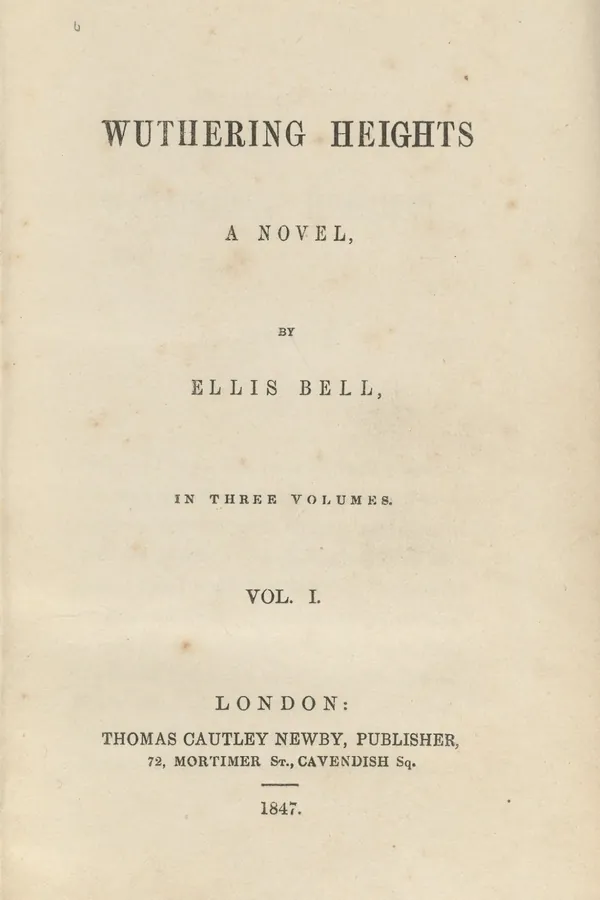
- Published in London in 1847 by Thomas Cautley Newby, under the pen name Ellis Bell. It was Emily Brontë’s only novel.
- Length
- 34 chapters
- Type
- Gothic novel, tragic romance
- Read the book free
- Project Gutenberg eBook #768 (public domain in the US)
- This summary
- Story in about 2 minutes
The story in short
In 1801, a gentleman named Mr Lockwood rents Thrushcross Grange, a house on the Yorkshire moors. He visits his landlord, Heathcliff, who lives at a gloomy farmhouse called Wuthering Heights. Everyone there is rude and unhappy. Snowed in for the night, Lockwood dreams that the ghost of a girl called Catherine is tapping at the window, begging to be let in.
Back at the Grange, the housekeeper, Nelly Dean, tells him the story. Years before, Mr Earnshaw, the owner of the Heights, came home from Liverpool with a ragged orphan boy and named him Heathcliff. His daughter Catherine and Heathcliff became inseparable, running wild on the moors. Her brother Hindley hated the newcomer.
When Mr Earnshaw dies, Hindley takes over and treats Heathcliff as a servant. Catherine, meanwhile, makes friends with the polished Linton family at Thrushcross Grange. She decides to marry Edgar Linton for his money and position. Heathcliff overhears her say it would degrade her to marry him, and leaves before he hears her say how much she truly loves him.
Heathcliff disappears for three years and comes back rich and educated, but full of bitterness. Hindley has sunk into drink and debt, and Heathcliff takes over Wuthering Heights from him. Out of spite he marries Edgar’s sister, Isabella, and treats her coldly until she runs away.
Catherine, torn between her husband and Heathcliff, falls ill. After a last stormy meeting with Heathcliff, she dies giving birth to a daughter, also named Catherine (called Cathy). Heathcliff is wild with grief and begs her ghost to haunt him.
The second half follows the next generation. Heathcliff raises Hindley’s son, Hareton, roughly and without schooling. He tricks young Cathy into marrying his own sickly son, Linton, so that he can control the Grange as well. Linton soon dies, and Cathy is left trapped at the Heights.
Slowly, Cathy and Hareton move from scorn to friendship. She teaches him to read, and they fall in love. Heathcliff sees Catherine in both of their faces and loses the will to go on with his revenge. He stops eating, and he is found dead in Catherine’s old room with the window open. Cathy and Hareton plan to marry, and local people say Heathcliff and Catherine now walk the moors together.
Spoiler note: this summary tells the whole story, including the ending.
Main characters
- Heathcliff: An orphan taken in by the Earnshaws, whose love for Catherine turns into a lifelong grudge.
- Catherine Earnshaw: Proud, wild and torn between Heathcliff and a comfortable life.
- Edgar Linton: Catherine’s gentle, wealthy husband.
- Nelly Dean: The housekeeper who tells most of the story.
- Mr Lockwood: The tenant who hears the story and writes it down.
- Hindley Earnshaw: Catherine’s brother, who mistreats Heathcliff.
- Cathy Linton and Hareton Earnshaw: The next generation, who finally find a happier ending.
Themes
- Love: A love so strong that Catherine says she is Heathcliff, yet it brings mostly pain.
- Social class: Catherine chooses rank over love, and Heathcliff spends his life getting even.
- Family: Cruelty passes down the generations until the young couple breaks the pattern.
- Nature: the wild moors mirror the characters’ passions.
Key lessons from Wuthering Heights
- Revenge eats away at youHeathcliff gets everything he planned, and finds no peace.
- Choose love over statusCatherine’s choice of Edgar for position brings unhappiness to everyone.
- How children are treated shapes themHindley’s cruelty helps make Heathcliff bitter, and Heathcliff repeats it with Hareton.
- Patterns can be brokenCathy and Hareton choose kindness, and the story ends in hope.
- Listen to the whole sentenceHeathcliff leaves after hearing only half of what Catherine says. Many troubles start with a misunderstanding.
Who should read it?
- Readers who like dark, intense love stories.
- Fans of gothic settings: storms, ghosts and lonely houses.
- Anyone who read Jane Eyre and wants to compare the Brontë sisters.
Quotes from Wuthering Heights
Copied word for word from the public-domain text on Project Gutenberg, with the chapter each line comes from.
I’ve dreamt in my life dreams that have stayed with me ever after, and changed my ideas
Wuthering Heights, Chapter 9he’s more myself than I am.
Wuthering Heights, Chapter 9Whatever our souls are made of, his and mine are the same
Wuthering Heights, Chapter 9I am Heathcliff!
Wuthering Heights, Chapter 9Be with me always—take any form—drive me mad!
Wuthering Heights, Chapter 16
If you liked it, read these next
- Jane EyreBy Emily’s sister Charlotte: another orphan and another dark house.
- FrankensteinAn outsider made bitter by rejection.
- The Great GatsbyA man who becomes rich to win back the woman he lost.
- Pride and PrejudiceLove across class lines, with a much happier ending.
Frequently asked questions
Who tells the story in Wuthering Heights?
Mostly Nelly Dean, the housekeeper, who tells it to Mr Lockwood. Lockwood writes it down, so the story reaches us through two narrators.
Do Heathcliff and Catherine end up together?
Not in life. Catherine marries Edgar and dies young. After Heathcliff’s death, local people say the two of them walk the moors together as ghosts.
What does Wuthering mean?
In the novel, wuthering is explained as a local word for the wild noise of a strong wind in stormy weather, which suits the house on the hill.
How many books did Emily Brontë write?
Wuthering Heights was her only novel. She also wrote poems, and she died in 1848, the year after it was published.
Explore more
- Classic books about loveTheme
- Classic books about social classTheme
- Classic books about familyTheme
- Famous book quotesExact quotes from classic novels
- Life lessons from famous booksWhat the classics teach
- Classic books to readA starter list
Sources
- Project Gutenberg eBook #768: full text of Wuthering Heights (plot and every quote checked against it)
- Wikipedia: Wuthering Heights (publication facts)
- Wikipedia: Emily Brontë
Checked for this page before publishing. Found a mistake? Tell us.
Published 2026-10-27. Last checked 2026-10-27.