Theme
Classic coming-of-age books
Classic coming-of-age books follow young people as they work out who they are. They make mistakes, lose illusions and find their own voice, which is why readers of every age see themselves in them.
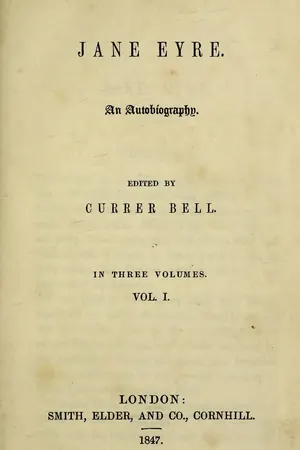 Jane EyreCharlotte Brontë, 1847
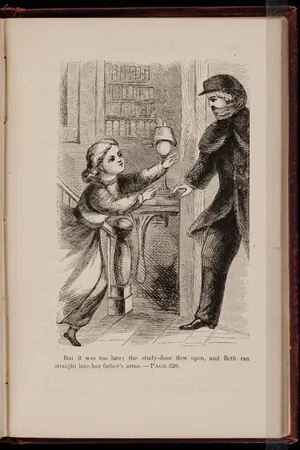 Little WomenLouisa May Alcott, 1868
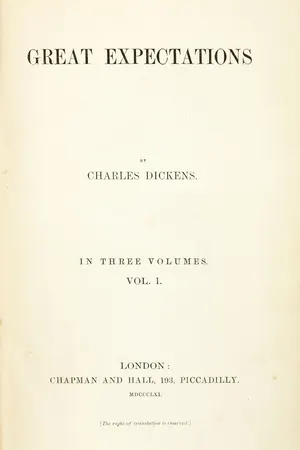 Great ExpectationsCharles Dickens, 1861
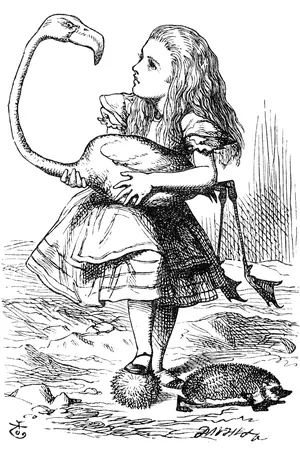 Alice’s Adventures in WonderlandLewis Carroll, 1865
What each book says about growing up
- Jane Eyre (Charlotte Brontë, 1847)We follow Jane from age ten to adulthood as she learns who she is.
- Little Women (Louisa May Alcott, 1868)Each sister moves from childhood dreams to adult choices.
- Great Expectations (Charles Dickens, 1861)Older Pip looks back honestly on the mistakes of younger Pip.
- Alice’s Adventures in Wonderland (Lewis Carroll, 1865)Alice keeps changing size and asking who she is, much like growing up.
Lines to remember
Do you think, because I am poor, obscure, plain, and little, I am soulless and heartless?
Jane Eyre, Chapter 23Christmas won’t be Christmas without any presents
Little Women, Chapter 1Ask no questions, and you’ll be told no lies.
Great Expectations, Chapter 2and what is the use of a book,
Alice’s Adventures in Wonderland, Chapter 1
Frequently asked questions
What does coming-of-age mean?
A coming-of-age story follows a young person growing from childhood toward adulthood, and the lessons and changes along the way.
What is a good classic coming-of-age novel?
Jane Eyre and Great Expectations are two of the best, both told by the grown-up hero looking back.
Other themes
Explore more
- Famous books in shortAll book summaries
- Famous book quotesExact quotes from classic novels
- Life lessons from famous booksWhat the classics teach
- Classic books to readA starter list
- Book themesBrowse classics by theme
Published 2026-10-27. Last checked 2026-10-27.